Follow the lines
Pick something that should be straight or continuous and follow it across the picture: a railing, a kerb, a window frame, a row of tiles, a power line. In AI pictures these often bend, stop, split in two or come out the other side of an object at a different height.
Check the shadows and the light
- Direction: if the sun is on the left, every shadow should fall to the right. Look for one object lit from the wrong side.
- Missing shadows: people and objects that seem to float because nothing anchors them to the ground.
- Reflections: a mirror, a window or a puddle should show what is in front of it. AI often invents a reflection that matches nothing.
Look at where things meet
Where a hand touches a table, where a foot meets the floor, where hair crosses a collar, where a strap goes over a shoulder. Real objects sit on, in or behind each other in a way that makes sense. In AI pictures they often blend, as if one thing were painted into the next.
Count the repeated things
Windows on a building, legs on a table, spokes on a wheel, people in a row. Repeated objects should be regular. Look for a window that is half the size of its neighbours, a chair with three legs, or a crowd where the same face appears twice.
Ask whether the scene could work
Step back and think about it as a place. Could a person stand there? Does the door lead anywhere? Would that amount of water, fire or smoke behave like that? A picture can be flawless in every detail and still show something that could not happen.
What this cannot tell you
Wide-angle lenses bend lines, long lenses flatten distance, and editing can move a shadow. Real photographs break these rules sometimes, and the newest AI tools break them less and less. Use what you find as a reason to trace the picture to its source, which is the only check that settles it.
Examples from the game
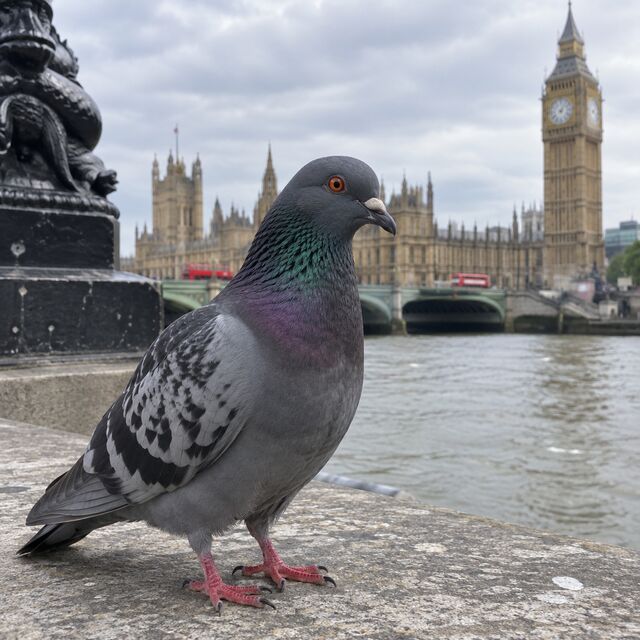 AI
 AIAI
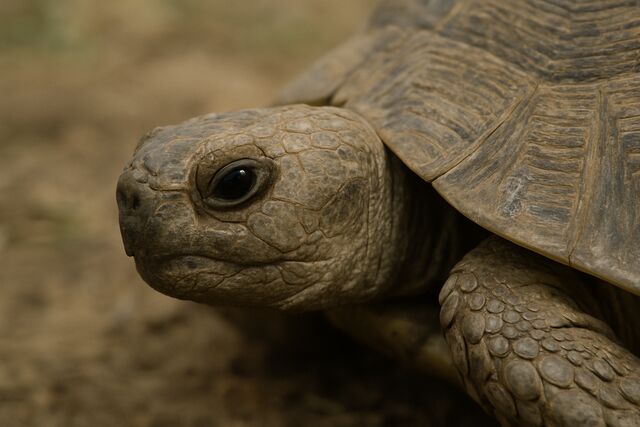 AI
Five new pictures every Friday.